
Groundcell Root Protection Grid for Construction Near Trees
A cellular ground reinforcement grid that spreads loads and prevents soil compaction within root protection zones.

A cellular ground reinforcement grid that spreads loads and prevents soil compaction within root protection zones.
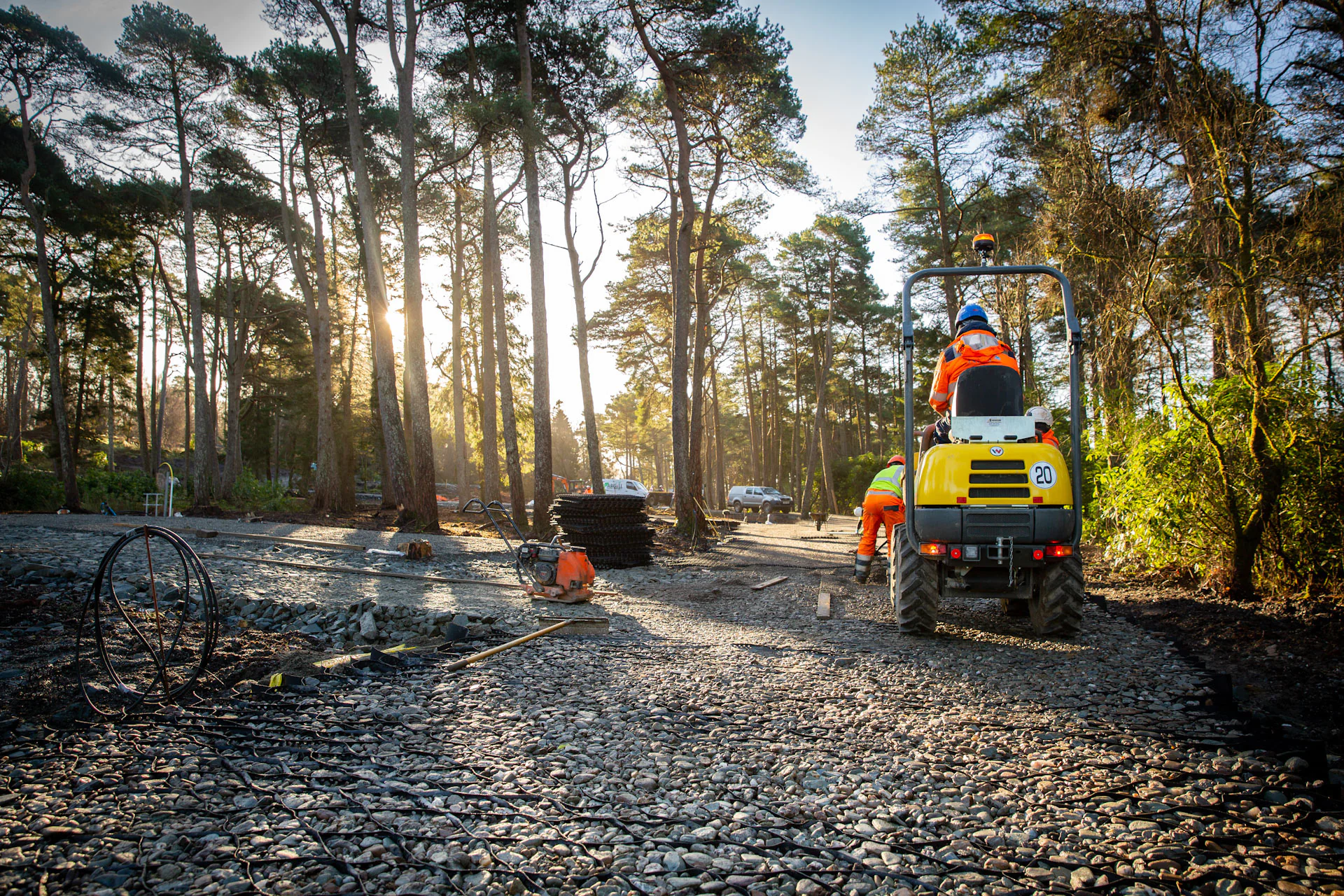



Driveways

Embankments

Roads

Root Protection Zones (RPZs) often bring about significant delays, additional costs, and complex restrictions that can put pressure on project timelines and budgets. Traditional construction methods risk damaging tree roots through excavation and compaction, often leading to planning objections or the need for costly interventions by specialists.
Groundcell removes RPZ headaches by eliminating excavation, preventing soil compaction, and satisfying planning requirements; all as a fast, cost-effective, compliant system that keeps trees healthy and projects moving forward.
No-Dig Installation
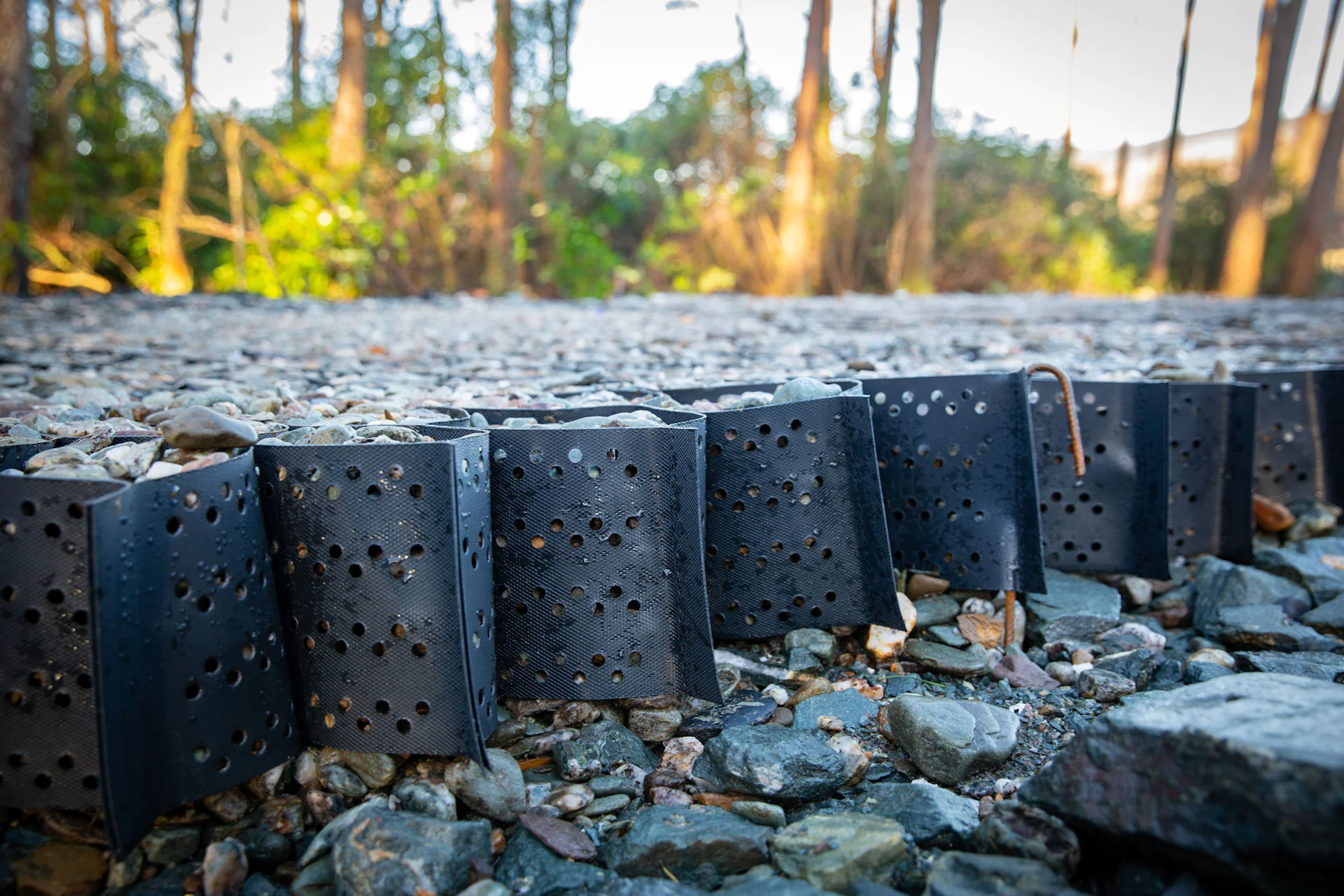
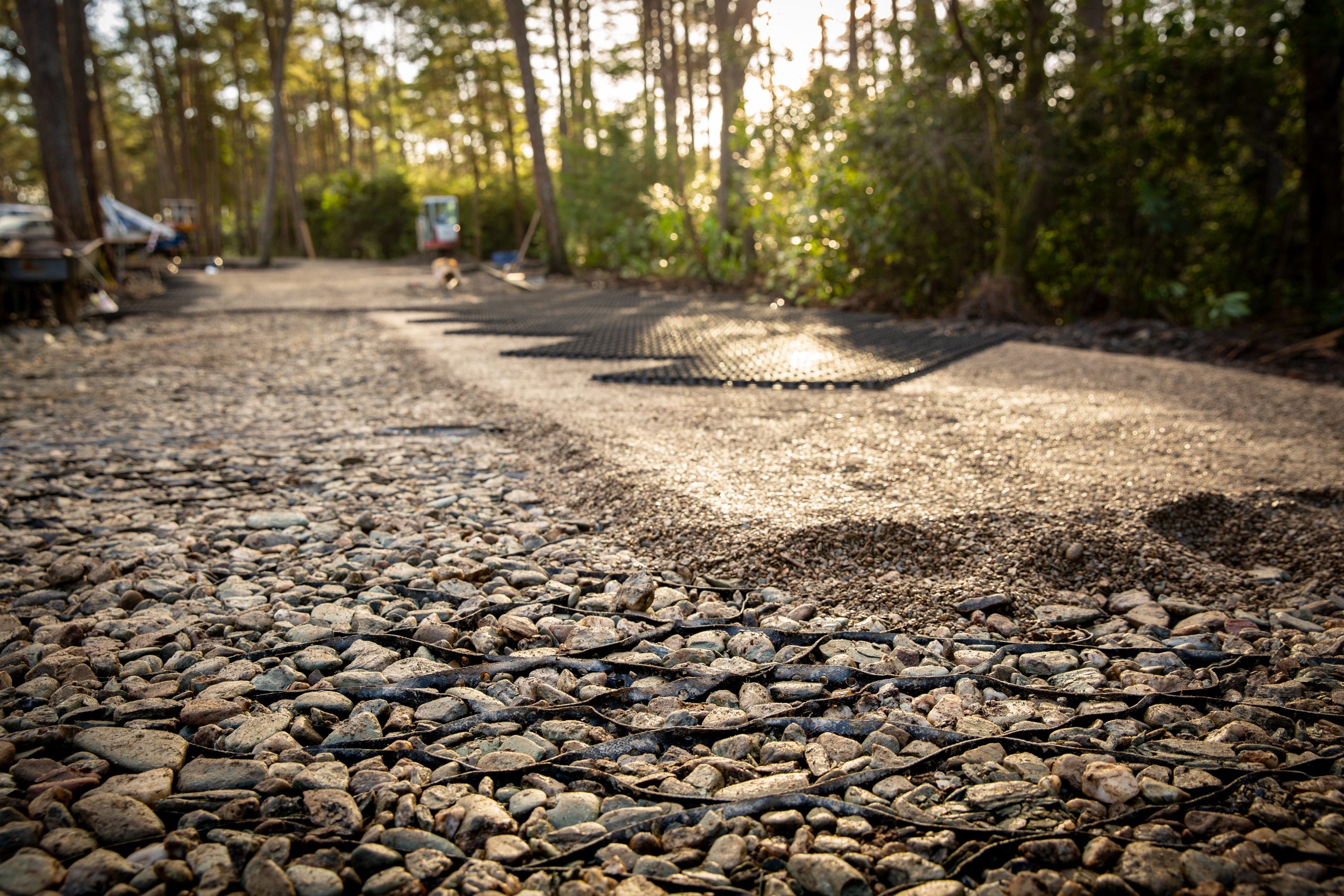
Traditional construction often requires excavation, which risks compacting and damaging tree roots, a key reason why planners and arboriculturists object to development near trees. Groundcell is laid directly onto the existing ground with minimal surface preparation, completely avoiding excavation and protecting the root zone.
Load Spreading
The cell structure of Groundcell distributes weight across the surface area, reducing point loading and preventing the compaction of the soil around the roots. This is important, as compacted soil restricts oxygen and water movement, both essential for healthy root function.

Permeability
The Groundcell system is typically filled with clean angular gravel that allows water and oxygen to reach the roots naturally. This maintains the ecological function of the RPZ and ensures the trees continue to thrive.
Planning Compliance
Because of how it’s a recognised method of root protection that aligns with British Standard BS5837 guidelines, it helps satisfy local authority planning conditions, which then reduces the need for specialist arboricultural interventions or expensive redesigns, making approval a lot smoother and faster.
Speed and Simplicity
Unlike engineered platforms or heavy-duty geogrids that require complex installation, Groundcell is lightweight, easy to transport, and quick to install – meaning fewer delays, lower labour costs, and less disruption to the project schedule.
Click the buttons below to download the documents.